
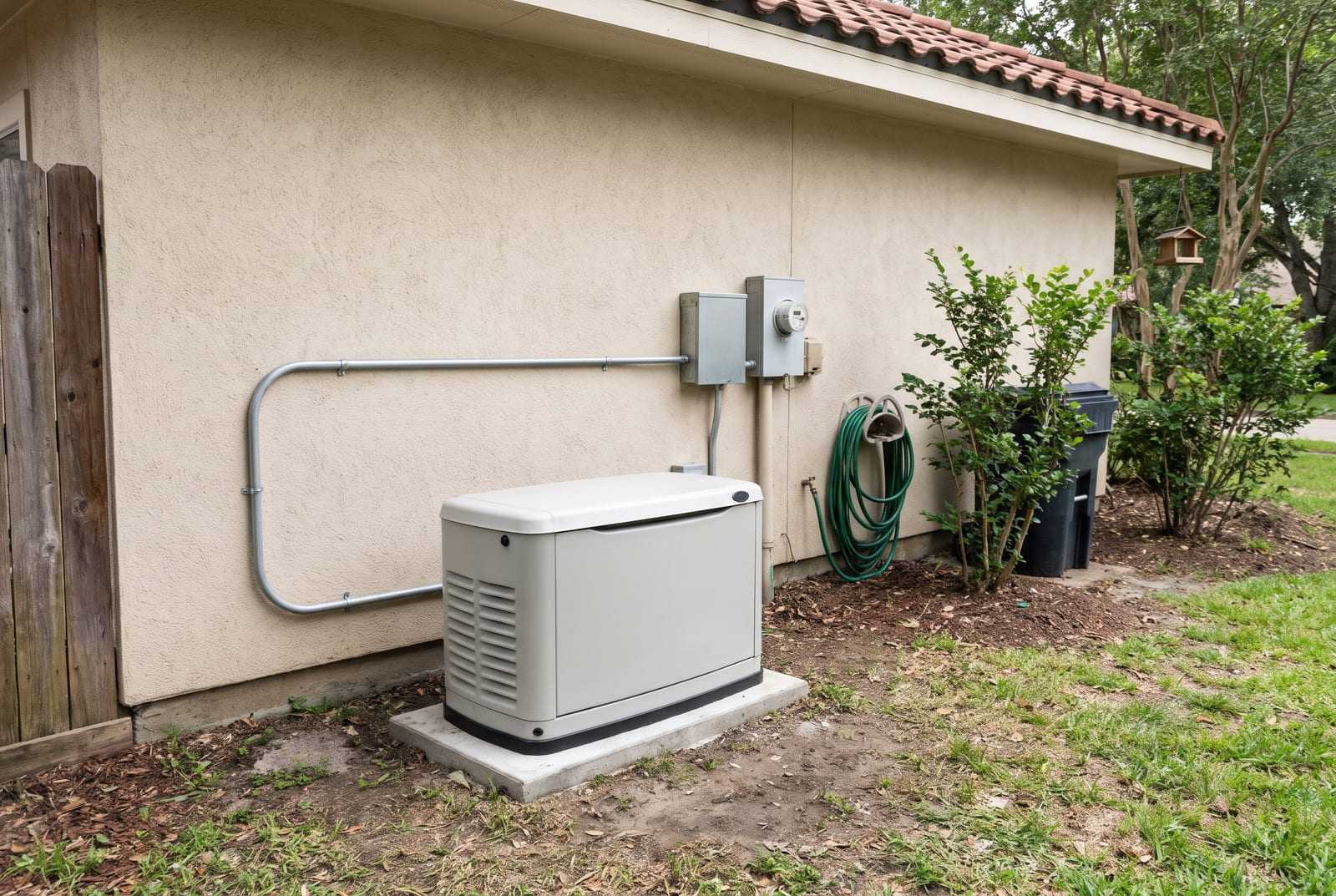
Backup Generators and Surge Protection in Houston
Keeping the power on through an outage, and keeping spikes out of the house when it comes back.
Hurricanes, summer storms and the occasional winter freeze all take the power down in Houston, sometimes for days. A backup generator keeps the refrigerator, the lights and the air moving through those outages. The electrical side of the job is what makes it safe: a proper connection to the panel and a transfer switch that keeps generator power off the utility lines.
Surge protection belongs on the same page. Lightning and the switching that happens when the grid comes back can send spikes through every circuit at once, and a device at the panel is the first line of defense.
Generator and Surge Jobs
- Standby generator installation, the electrical connection and transfer switch
- Portable generator inlet boxes and transfer switches or interlocks
- Whole-home surge protection at the main panel
- Generator-ready panel wiring for a generator added later
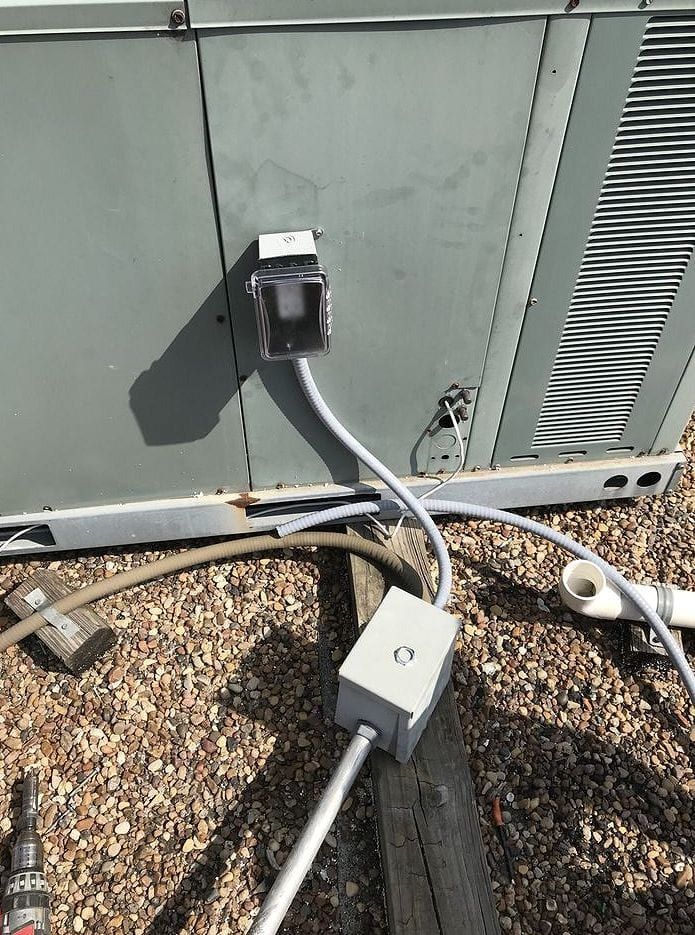
Outdoor electrical work in this climate has its own demands. Boxes, disconnects and conduit outside the house sit in sun, rain and humidity all year, so they need weatherproof enclosures, sealed entries and fittings rated for wet locations, whether they feed a generator, an air-conditioning unit or a pool pump.
Comparing the Options
| Option | Best suited for | What the electrical work includes |
|---|---|---|
| Standby generator | Homes that need power back within seconds, medical equipment, home offices, long outages | A circuit from the generator, an automatic transfer switch at or beside the panel, connection to the gas supply by a licensed plumber or the gas company |
| Portable generator with inlet and transfer switch | Keeping the refrigerator, some lights, fans and the gas furnace or a window unit running | An outdoor inlet box, a cord from the generator, and a manual transfer switch or interlock at the panel |
| Generator-ready panel wiring | Planning ahead: a new panel or remodel now, a generator later | Panel space and an interlock or transfer arrangement set up for the generator to come |
| Whole-house surge protection | Every home, with or without a generator | A surge protective device mounted at the main panel to limit spikes from lightning and the grid |
Standby, Portable and Transfer Switches
Standby or portable: which makes more sense?
A standby generator starts by itself within seconds and runs on natural gas, so it suits households that cannot be without power for long. A portable generator costs less to set up and runs selected circuits through an inlet, but someone has to wheel it out, start it and keep fuel on hand.
The right choice depends on which circuits you need during an outage and for how long.
What does a transfer switch do?
It disconnects the house from the utility before the generator powers it. That keeps generator power from flowing back onto the street lines, where it can hurt line workers, and it keeps returning utility power from hitting the generator.
Plugging a generator into a dryer outlet with a homemade cord skips that protection and is never safe.
Does surge protection replace power strips?
It works with them. A whole-house device at the panel takes the large spikes; point-of-use strips add a second layer for computers and televisions.
Can my current panel take a generator?
Often, with an interlock kit or a transfer switch, as long as the panel has room and is in good condition. An older or full panel may need attention first; the panel upgrades page covers that.
Tell us which circuits you want running in an outage and send a photo of the panel: request an estimate or call (832) 979-0435.